
Montmartre
- old-town
- Price: Free
- Opening hours: Always open (neighbourhood)
History
Long before it became a byword for bohemian Paris, Montmartre was a semi-rural village of windmills and vineyards perched on a hill just outside the city walls. It was annexed into Paris only in 1860, but its cheap studios and cheaper wine had already begun luring artists uphill from the crowded city centre below.
By the late 19th and early 20th centuries, the quarter had become the beating heart of the avant-garde. Renoir painted its dance halls, Toulouse-Lautrec immortalised its cabarets, and a young Picasso shared a ramshackle studio building nicknamed the Bateau-Lavoir with the artists and writers who would go on to define modern art. At the foot of the hill, the Moulin Rouge opened in 1889 and made the can-can famous, turning Montmartre's nightlife into a legend of its own.
Did you know?
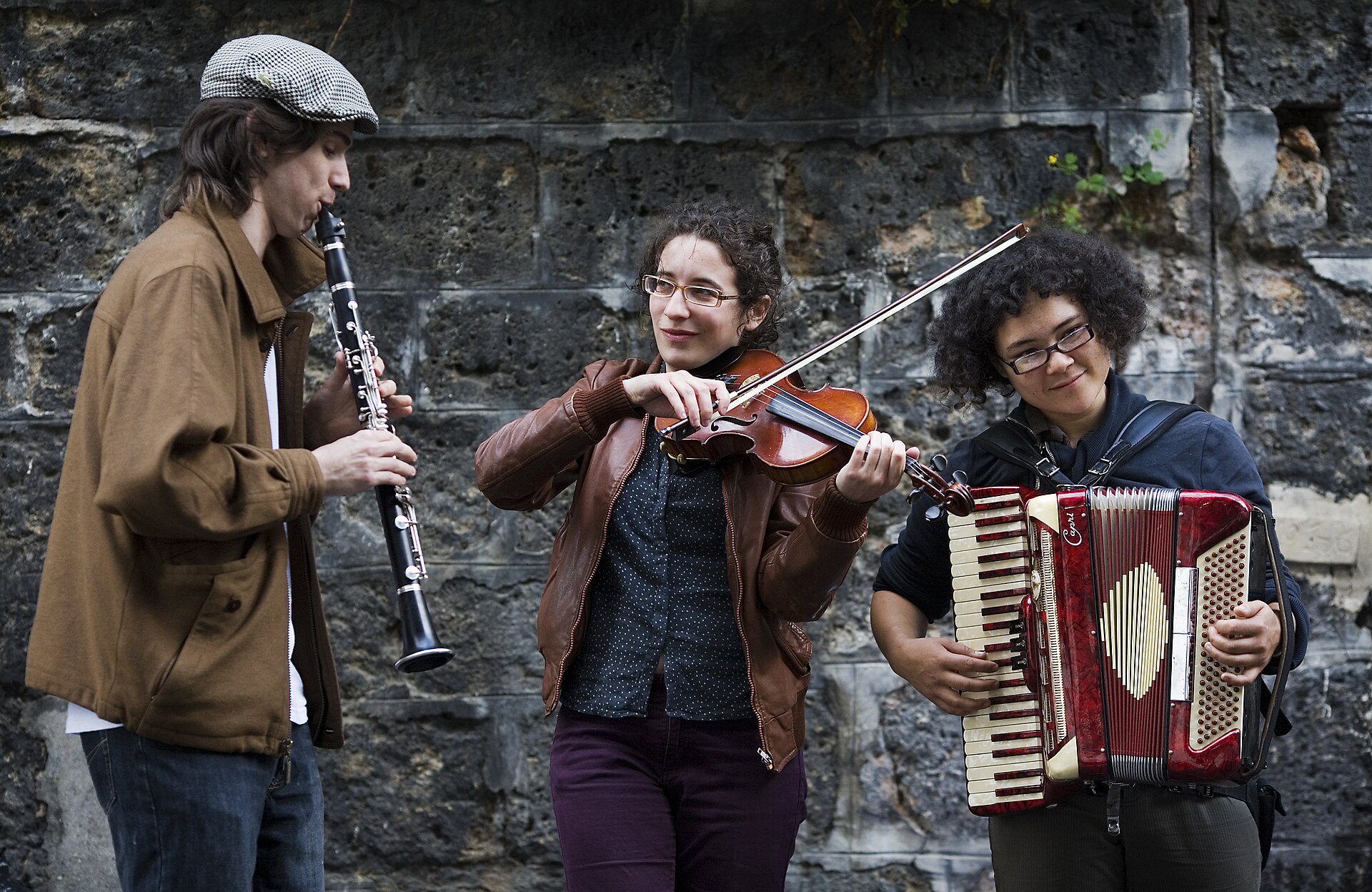
Place du Tertre, the old village square at the top of the hill, still fills every day with portrait and caricature artists working in the open air — a direct, if now heavily commercialised, descendant of the neighbourhood's bohemian heyday.
Few visitors expect to find a working vineyard inside a major capital city, but the Clos Montmartre, tucked away on the hill's northern slope, still produces a small batch of wine each year. The harvest, gathered by hand every October, is more ceremonial than commercial, but it is celebrated with a lively neighbourhood festival that draws Montmartre's residents out into the streets.
Good to know
Montmartre's streets are steep and narrow, so most visitors take the funicular from Anvers metro station to save the climb up to Sacré-Cœur. The area around Place du Tertre and the basilica gets genuinely crowded, especially at midday, so it's worth ducking into the quieter side streets to the east and west for a more authentic feel.
As with any heavily touristed spot, keep an eye out for the petty scams that cluster around the basilica steps — fake "petitions" and unsolicited friendship bracelets are the most common, and a polite but firm no is all it takes to move on. Early morning or early evening, once the day-trip crowds thin out, is the best time to enjoy the village atmosphere the quarter is famous for.