
Musée Rodin
- art-museum
- Price: €14
- Opening hours: Tue-Sun 10:00-18:30, closed Mon
History
Long before it became a museum, the Hôtel Biron lived several lives. Built as a private mansion in the early 18th century, it later became a convent school, and by the early 1900s stood largely abandoned, its grand rooms crumbling and its grounds overgrown. Around 1908, the French state began renting out studio space inside to working artists, and among the first tenants was Auguste Rodin, already in his late sixties and internationally famous as the leading sculptor of his age. Taken with the mansion's faded grandeur and its wild gardens, Rodin proposed an extraordinary arrangement to the state: he would donate his entire body of work, along with his own private art collection, to France, in exchange for being allowed to live and work at the Hôtel Biron for the rest of his life and for the building to become a museum dedicated to him after his death.
Rodin died in 1917, not long after the arrangement was formalised, and the Musée Rodin opened two years later, in 1919, exactly as he had envisioned it. Its rooms today display plaster, bronze and marble versions of his best-known sculptures, including The Thinker and The Kiss, alongside The Gates of Hell, a monumental bronze doorway that occupied Rodin for nearly four decades and was never fully finished in his lifetime. Upstairs, part of the museum is also given over to the private collection Rodin donated along with his own work: paintings he admired and bought from contemporaries including Van Gogh, Renoir and Monet, together with the ancient sculpture and artefacts he gathered throughout his career.
Did you know?
The Gates of Hell, commissioned in 1880 as a bronze door for a museum that was never built, became something closer to a lifelong personal project for Rodin: a single sprawling composition of tormented, writhing figures drawn from Dante's Inferno, endlessly reworked over the following decades. Several of Rodin's most famous standalone sculptures actually began as details within it. The Thinker started out as a smaller figure called The Poet, perched above the door contemplating the suffering below, before Rodin enlarged it into the freestanding bronze now recognised worldwide. The Kiss, originally titled Francesca da Rimini after the doomed lovers of Dante's poem, was also designed for the gate, but Rodin later removed it, feeling its tenderness sat too awkwardly amid the surrounding anguish.
Rodin's eye as a collector is less famous than his sculpture but just as telling: he bought paintings by artists he considered kindred spirits, including several works by Van Gogh at a time when the Dutch painter was still largely overlooked. He left all of it to the museum alongside his own work, which makes a visit here, almost by accident, a small tour through Rodin's personal taste in art as well as his own.
Good to know
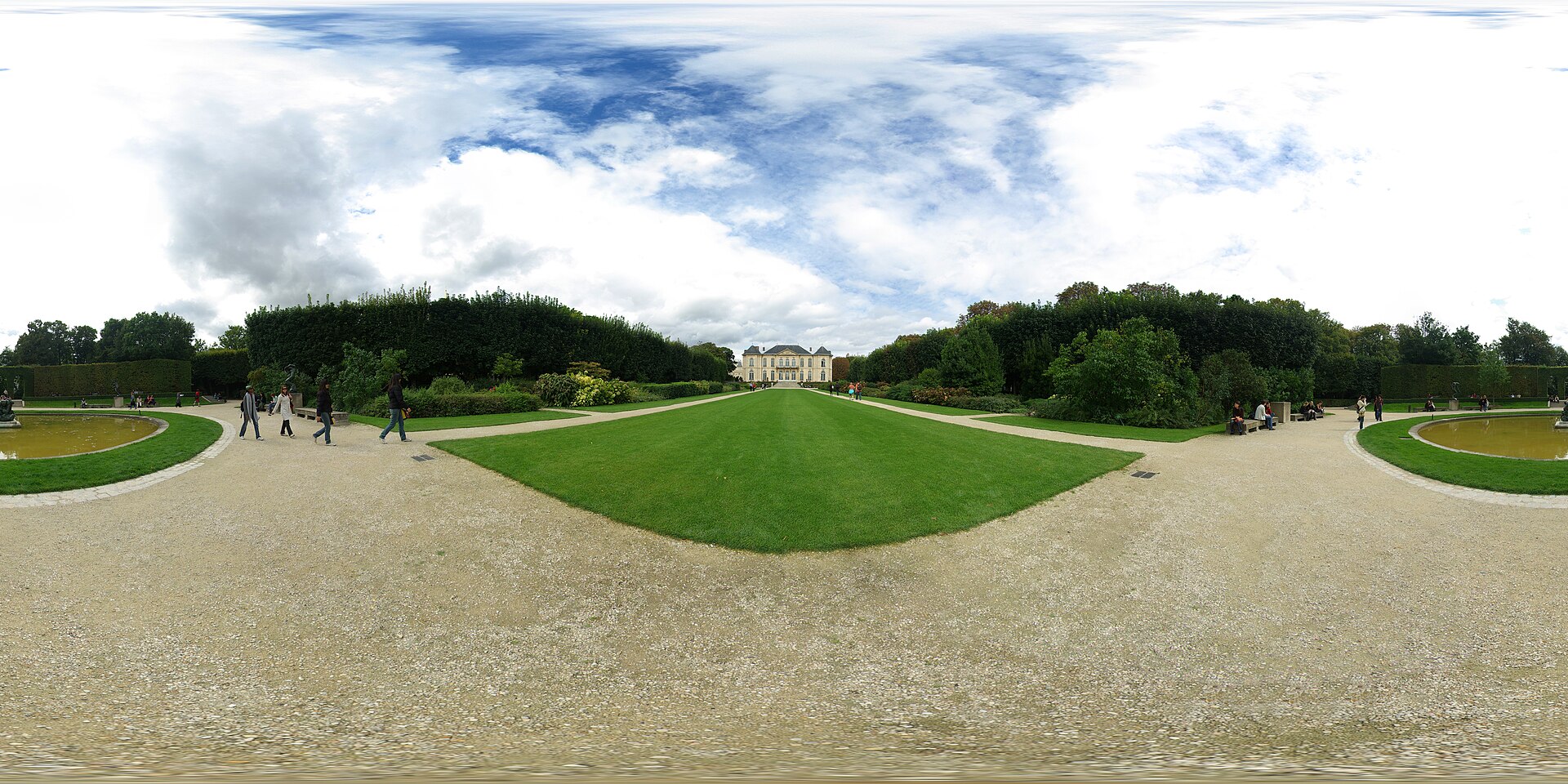
The museum is open Tuesday to Sunday and closed on Mondays; buying tickets online ahead of time is worth doing in peak season, when queues at the entrance can build up. Leave time for both the mansion's galleries and the three-hectare garden outside, which was replanted after Rodin's death specifically to display his large bronzes among rose beds and clipped hedges.
If time is short, the garden alone is worth the detour even without going inside: it's one of the most peaceful, uncrowded green spaces in central Paris, and pairs naturally with a walk over to the nearby Invalides.